If you’re a designer—whether in graphic design, web design, branding, or UI/UX—your portfolio is your business card, resume, and sales pitch all in one. But here’s the catch: in 2025, it’s no longer enough to throw a few nice designs on a page and call it a portfolio.
Clients want proof that you can solve problems, create results, and deliver value. That’s why knowing how to build a design portfolio the right way can be the difference between getting ignored and getting hired for high-paying projects.
In this guide, I’ll break down everything you need to know about building a design portfolio that actually gets you clients in 2025—from platform choice and project selection to presentation hacks and credibility boosters.
Why Your Design Portfolio Matters More Than Ever
The creative industry has become extremely competitive. Tools like Canva and AI generators make it easy for anyone to “design,” but businesses still pay a premium for designers who can demonstrate strategy, creativity, and professionalism.
Your portfolio does three things for you:
- Showcases your skills – Not just pretty visuals, but the thinking behind them.
- Builds trust – Professional presentation signals to clients that you’re reliable.
- Converts leads into clients – A well-structured portfolio makes people want to hire you.
Think of it as your sales funnel: awareness → trust → conversion.
Step 1: Choose the Right Platform for Your Design Portfolio
The first question is where to host your portfolio. Each option has pros and cons:
🔹 Portfolio Websites (Best Choice)
- Examples: Behance, Dribbble, Adobe Portfolio.
- Pros: Easy to use, highly recognized in the design world, great for exposure.
- Cons: Limited customization, you look like everyone else.
🔹 Personal Website (Authority Builder)
- Platforms: WordPress, Webflow, Squarespace.
- Pros: Full customization, SEO control, credibility boost.
- Cons: Takes time and effort to build.
👉 Best practice: Start with Behance/Dribbble but eventually move to a personal website where you control your branding.
Step 2: Select the Right Projects to Showcase
A common mistake: showing every project you’ve ever done. Quality beats quantity.
When learning how to build a design portfolio, remember:
- Show 6–10 strong projects.
- Include projects that represent the type of clients you want to attract.
- Mix real client work with personal projects (if you lack experience).
💡 Example: If you want to work with startups, create a fictional branding project for a tech company and present it like a real case study.
Step 3: Structure Projects as Case Studies, Not Just Images
A winning portfolio doesn’t just show pretty pictures—it tells a story.
Each project should answer:
- The Problem – What was the client’s challenge?
- The Process – How did you approach solving it?
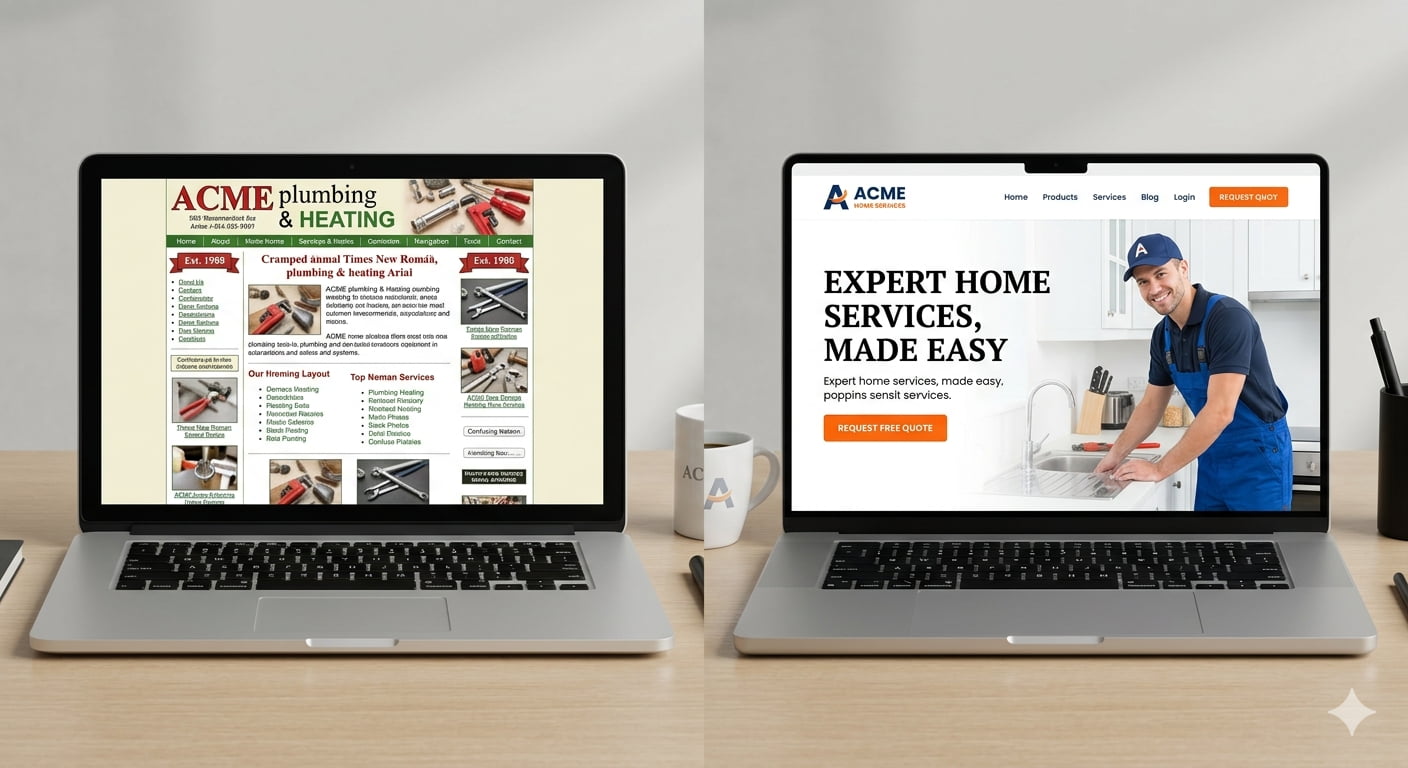
- The Solution – Show visuals, mockups, before/after.
- The Results – Metrics if possible (e.g., “Website redesign increased conversions by 35%”).
👉 Use platforms like CreativeBloq for inspiration on how designers present case studies.
Step 4: Nail the First Impression (Hero Section)
Clients decide in seconds whether to continue browsing.
Your portfolio homepage should include:
- A clear headline: “I help startups build modern brands that convert.”
- A short intro about you: niche, expertise, personality.
- Featured work section: your top 3–4 projects visible immediately.
- A call-to-action: “Hire me” or “Let’s work together.”
Step 5: Add Social Proof and Credibility
Building trust is key to client acquisition. Enhance your portfolio with:
- Testimonials from past clients.
- Logos of companies you’ve worked with.
- Awards, features, or certifications (even small ones count).
- Numbers: “10+ satisfied clients,” “50+ projects completed.”
If you’re new? Collect testimonials from collaborations, school projects, or volunteer work.
Step 6: Optimize for SEO & Discoverability
Since you’re reading this, you probably want your portfolio to also rank on Google.
Here’s how:
- Use your focus keyword (“how to build a design portfolio”) in title, meta, H2s.
- Name your image files properly:
branding-portfolio-2025.png. - Add alt text with keywords.
- Link to external sites (Behance, Dribbble, Canva).
- Link internally to your blog posts (e.g., cheap-logo-vs-professional-logo).
Step 7: Keep It Updated in 2025 and Beyond
Your portfolio is a living document. Outdated work makes clients think you’re inactive.
Set a reminder every 3–6 months to:
- Add new projects.
- Update old ones with results.
- Remove weak work.
Bonus: Mistakes to Avoid When Building a Design Portfolio
- ❌ Overloading with too many projects → Clients won’t dig deep.
- ❌ No clear call-to-action → They don’t know how to hire you.
- ❌ Ignoring mobile design → 70% of clients view portfolios on phones.
- ❌ Not tailoring projects to your target audience.
Conclusion
Learning how to build a design portfolio that actually gets clients is about more than visuals—it’s about strategy. A portfolio that tells stories, shows results, builds credibility, and is easy to navigate will separate you from the thousands of average designers.
In 2025, clients want proof. Give them clarity, confidence, and compelling work—and they’ll want to work with you.
👉 Start today: Pick your top 6 projects, structure them as case studies, and showcase them on a clean website. Over time, this portfolio becomes your money-making machine.
Work with Me – Let’s Build Something Amazing!
Want a website that’s not just another template, but a high-performance digital experience? I specialize in crafting stunning, fast, and user-focused websites tailored to your brand’s vision.
📩 Let’s make your website stand out! Get in touch today.
🔗 Contact Me | 🌎 Visit My Website