Introduction
The digital world is buzzing with innovation, and staying updated on website design trends is crucial to building a site that captures attention and delivers an exceptional user experience. Whether you’re a business owner, a creative, or someone just starting their web journey, understanding these trends can help you stand out in the crowded digital space. Here are 10 must-know website design trends for 2025!
1. Minimalist and Clean Layouts
Less is more is still a dominant trend. Minimalist designs prioritize simplicity, focusing on essential elements like clean typography, ample white space, and intuitive navigation. By reducing clutter, minimalist websites encourage a focus on the core message without overwhelming users with too much information.
Why it Matters:
- Improves readability and navigation by providing users with a clear, streamlined layout.
- Provides a modern, uncluttered aesthetic that aligns with contemporary design standards.
- Reduces distractions, helping users stay focused on your primary call-to-action or content.
Example:
Apple’s website is a perfect example of minimalist design. It showcases a clean layout with a focus on product visuals, helping the user concentrate on the products without being distracted by unnecessary elements.
2. Dark Mode and High Contrast
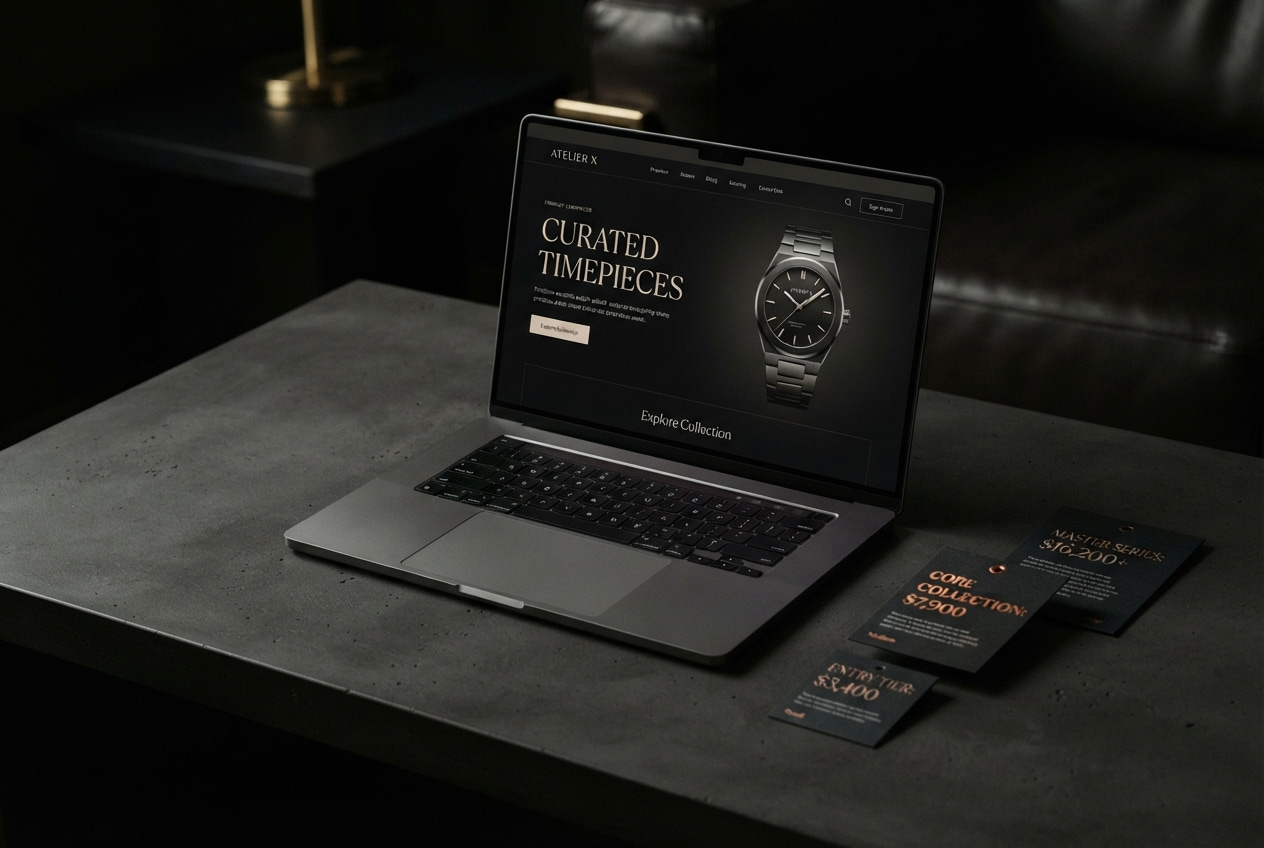
Dark mode has gone mainstream, offering a sleek and modern look while reducing eye strain for users. Pairing dark themes with high-contrast elements not only creates an aesthetically pleasing experience but also ensures content remains legible, even in low-light environments.
Why it Matters:
- Saves energy on OLED screens, extending the battery life of mobile devices.
- Provides a premium, stylish aesthetic that appeals to tech-savvy users and modern web design trends.
- Offers a better user experience for those who prefer darker interfaces, especially for long browsing sessions.
How to Use It:
Offer a toggle for light and dark modes to give users control over their viewing experience. This allows your audience to switch modes based on their preferences or environment, improving overall satisfaction.
3. AI-Powered Design Tools
Artificial Intelligence is one Website Design Trends that is revolutionizing web design by enabling faster, smarter workflows. AI-powered tools like ChatGPT, MidJourney, and automated design builders assist in creating layouts, generating content, and even testing usability based on real-time data.
Why it Matters:
- Speeds up the design process by automating repetitive tasks, leaving designers with more time for creativity and strategy.
- Creates more personalized user experiences, as AI can analyze visitor behavior and suggest improvements based on user interaction.
- Enhances functionality by analyzing and predicting user behavior patterns, which can lead to better website performance and higher conversion rates.
Example:
AI-driven tools can analyze your website’s data and suggest layouts optimized for conversions or generate content ideas based on your specific niche. This helps ensure your site resonates more with your target audience.
4. Immersive Animations and Micro interactions
Animations are as well some Website Design Trends that are crucial and subtle interactions breathe life into websites, making them more dynamic and engaging. These features guide users through the interface, provide instant feedback on their actions, and create a playful touch that keeps users entertained.
Why it Matters:
- Keeps users engaged and entertained, encouraging them to stay on your site longer and explore more.
- Provides visual cues that guide users toward important sections of the site, improving navigation.
- Enhances storytelling through motion, offering a more immersive experience that appeals to users emotionally.
Example:
Hover effects on buttons, animated scrollbars, or transitioning backgrounds all add interactive elements that engage users. The playful nature of these interactions makes the website feel more personal and user-friendly.
5. Personalized User Experiences
With advancements in data collection and analytics, websites can offer tailored experiences to users. Personalized content, dynamic recommendations, and product suggestions based on user behavior help foster a connection with visitors, making them feel valued and understood.
Why it Matters:
- Boosts user engagement by providing visitors with content they are interested in, keeping them on your site longer.
- Increases conversions by showing relevant content, such as product recommendations based on their browsing history.
- Enhances customer loyalty by offering a personalized, tailored experience that makes users feel like the site is specifically designed for them.
Example:
E-commerce sites like Amazon use personalized recommendations to suggest products based on users’ browsing and purchasing history. This significantly enhances the user experience and leads to more sales.
6. Voice and Accessibility Features
Accessibility isn’t just a trend; it’s a necessity. Websites are increasingly integrating voice navigation and accessibility options like screen readers, keyboard navigation, and captions to make sites more inclusive and accessible to all users, including those with disabilities.
Why it Matters:
- Expands your audience by catering to users with disabilities, ensuring your website is usable by everyone.
- Meets legal requirements in many regions, where accessibility compliance is mandatory.
- Improves usability for everyone, including mobile users who may find voice navigation helpful when on the go.
Tip:
Follow WCAG (Web Content Accessibility Guidelines) to ensure your website meets accessibility standards and provides a seamless experience for all users, regardless of their abilities.
7. Dynamic Scrolling Effects
Scrolling isn’t just functional anymore—it’s a storytelling tool. This Website Design Trends works as a Dynamic effects like parallax scrolling, infinite scrolling, and scroll-triggered animations guide users through your site in an engaging way, drawing them deeper into your content.
Why it Matters:
- Makes the user experience more immersive and engaging, encouraging users to explore more content.
- Adds a sense of depth and interactivity to the site, which helps in creating memorable and visually striking experiences.
- Highlights key sections of your site interactively, giving your visitors an engaging journey as they scroll.
Example:
Sites that use parallax backgrounds, where the background moves at a different speed than the foreground, create a sense of depth and immersion, drawing users deeper into the site’s content.
8. Bold Typography
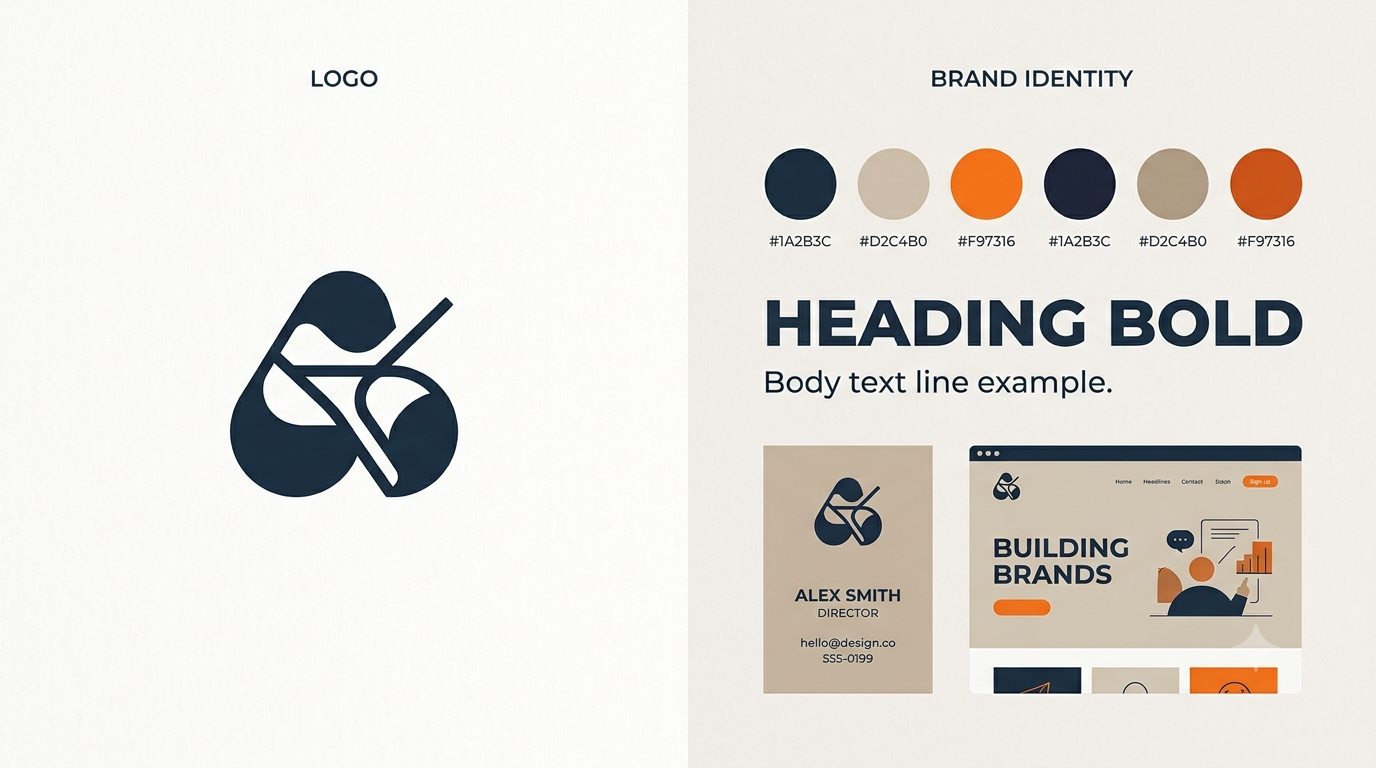
Typography has become a central element of web design. Bold, oversized fonts capture attention and can even act as the focal point of your website’s design. By using bold typography, you communicate personality and help visitors easily scan and understand important information.
Why it Matters:
- Adds personality to your brand and sets the tone for your website’s visual identity.
- Improves readability on mobile devices, especially when larger fonts are used for headings and key content.
- Guides users’ eyes to important content, making it easier for them to navigate and find what they’re looking for.
Example:
Landing pages that use oversized headings with clean, sans-serif fonts create a professional, modern look that is easy to read on all devices, from desktop to mobile.
9. Sustainable Web Design
With the rise of eco-consciousness, sustainable web design focuses on creating low-carbon websites. This Website Design Trends involves optimizing images, reducing server load, and minimizing unnecessary animations to reduce the environmental impact of websites while maintaining performance.
Why it Matters:
- Reduces the environmental impact of your website by minimizing energy consumption and the carbon footprint associated with running it.
- Improves load times and overall website performance, which is essential for a better user experience.
- Appeals to environmentally conscious users, who are more likely to support brands that align with their values.
Tip:
Use green hosting providers and compress assets to lower energy consumption, while also reducing the number of HTTP requests on your site.
10. Seamless Mobile-First Experiences
As mobile traffic continues to dominate, designing for small screens first ensures your website is accessible and user-friendly for everyone. Mobile-first design also ensures that your website is optimized for the smaller screens, fast loading times, and ease of navigation on mobile devices.
Why it Matters:
- Meets Google’s mobile-first indexing requirements, which prioritize mobile-friendly websites in search rankings.
- Enhances usability on smartphones and tablets, ensuring a positive experience no matter the device.
- Captures the attention of users on the go, as mobile-first design makes your site more accessible and faster to load on mobile devices.
How to Optimize:
Test your site on multiple devices to ensure it performs well across all platforms. Focus on responsive design and fast loading speeds for a better mobile experience.
Conclusion: Stay Ahead with These Trends
In 2025, website design is all about enhancing user experiences with innovative, personalized, and visually striking elements. By adopting these trends, you’ll not only create a website that looks amazing but also one that keeps visitors coming back. This article just presented 10 Website Design Trends that will bring your website to another level.
Need some help?
Ready to implement these trends on your site? Whether you need a redesign or a fresh build, I specialize in creating modern, user-friendly websites that stand out. Let’s bring your vision to life! Contact me!